

Commercial Mold Remediation in Rochester, NH
Rochester's humid New England climate creates persistent moisture conditions year-round, with summer humidity and damp spring and fall weather that can trap moisture in building foundations and crawl spaces, fostering mold growth in commercial properties. Commercial Mold Remediation in Rochester, NH requires prompt, thorough removal to protect indoor air quality and structural integrity. Kimball Mold Remediation connects property owners with local independent providers who assess moisture sources, contain affected areas safely, and perform complete remediation to restore a healthier indoor environment.
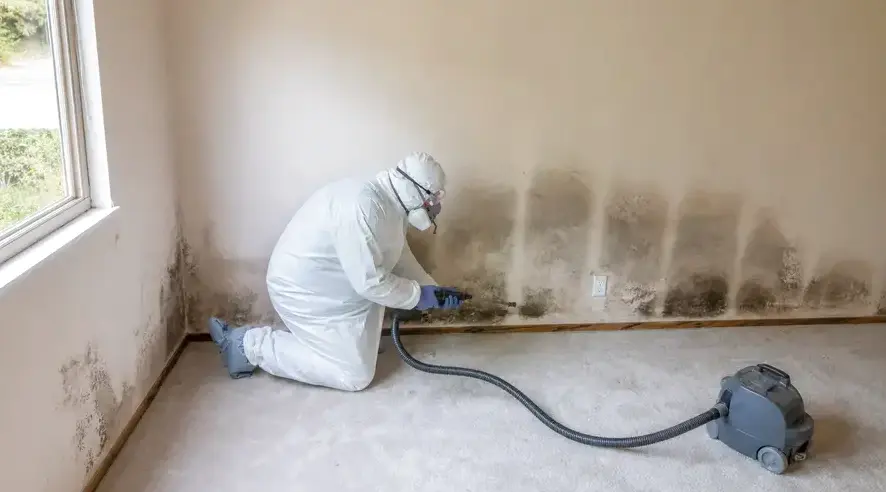
What gets cleaned in a commercial building, and what comes out
Two questions decide the scope of any mold job: what is it growing on, and how much of it is there. The EPA publishes an answer for both, and this is that guidance applied to the materials you would expect in a commercial building.
| Material | Under 10 sq ftabout a cabinet door, or one ceiling tile | 10 to 100 sq ftroughly one wall, or a small bathroom | Over 100 sq ftmore than one room's worth of surface |
|---|---|---|---|
| Carpet and backingbroadloom or tile carpet and its backingEPA, Table 2 | Wet vacuumHEPA vacuum | Wet vacuumHEPA vacuumRemove and discard | Wet vacuumHEPA vacuumRemove and discard |
| Wallboardpartition walls and demountable panelsEPA, Table 2 | HEPA vacuum | HEPA vacuumRemove and discard | HEPA vacuumRemove and discard |
| Non-porous, hard surfacessealed floors, metal fixtures and glazingEPA, Table 2 | Wet vacuumDamp wipeHEPA vacuum | Wet vacuumDamp wipeHEPA vacuum | Wet vacuumDamp wipeHEPA vacuum |
| Concrete or cinder blockslabs, cores and block wallsEPA, Table 2 | Wet vacuumHEPA vacuum | Wet vacuumHEPA vacuum | Wet vacuumHEPA vacuum |
| Books and papersstored files, stock and cardboardEPA, Table 2 | HEPA vacuum | HEPA vacuum | HEPA vacuum |
What those methods mean, in EPA's words
- Wet vacuum
Wet vacuums are vacuum cleaners designed to collect water. They can be used to remove water from floors, carpets and hard surfaces where water has accumulated.
EPA, cleanup methods- Damp wipe
Mold can generally be removed from nonporous (hard) surfaces by wiping or scrubbing with water, or water and detergent.
EPA, cleanup methods- HEPA vacuum
HEPA (High-Efficiency Particulate Air) vacuums are recommended for final cleanup of remediation areas after materials have been thoroughly dried and contaminated materials removed.
EPA, cleanup methods- Remove and discard
Building materials and furnishings that are contaminated with mold growth and are not salvageable should be double-bagged using 6-mil polyethylene sheeting.
EPA, cleanup methods
Removed and replaced, whatever the area
- Ceiling tiles — drop-ceiling tiles and grid infill.
Discard and replace.
EPA, Table 1This is the action EPA's water-damage table gives for ceiling tiles. It is the one material here with no size threshold to weigh.
These guidelines are for damage caused by clean water. If you know or suspect that the water source is contaminated with sewage, or chemical or biological pollutants, then Personal Protective Equipment and containment are required by OSHA.
EPA, Table 1Porous materials that are wet and have mold growing on them may have to be discarded.
EPA, cleanup methodsMold can grow on wood, drywall, carpet and furniture if they remain wet for more than 24 hours.
EPA, flood cleanup
Commercial interiors add two materials that rarely survive — drop-ceiling tile and tile carpet — and both are usually cheaper to replace than to clean around. Sealed floors, glazing and structural concrete stay. Stock, files and cardboard are judged as paper, which EPA treats as a HEPA-vacuum item at every size rather than a removal.
With 32.4% of Rochester homes built before 1960, a lot of the local building stock predates the materials and detailing that keep moisture out of a cavity.Source: US Census Bureau, American Community Survey 2023 5-year estimates, table B25034 — Rochester city (14,613 housing units)
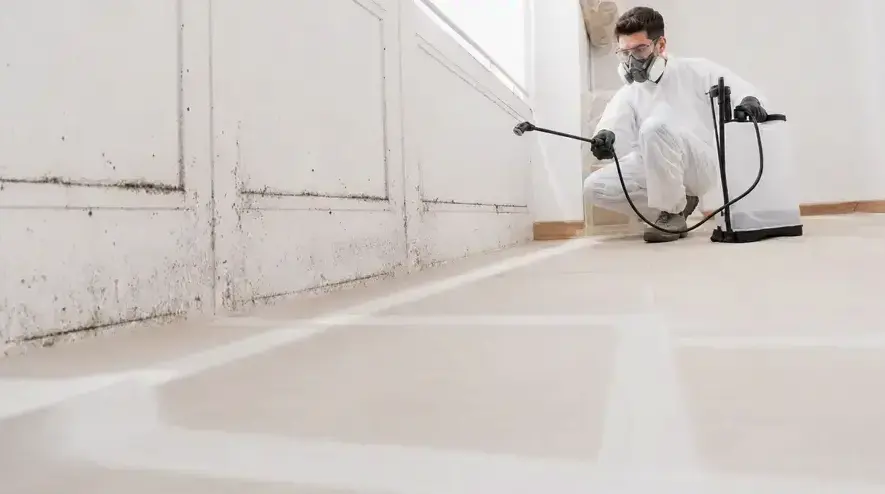
Commercial Mold Remediation Rochester Needs Year-Round
Rochester's position in the New England Seacoast climate means persistent moisture challenges across multiple seasons. High humidity through summer months and damp conditions in fall and spring create an environment where trapped moisture accumulates inside buildings—particularly in older structures with basements and newer properties with crawl spaces. When moisture remains unchecked, mold can establish itself in walls, insulation, and other concealed spaces, turning a moisture problem into a commercial mold issue that affects indoor air quality, building integrity, and occupant health. Property owners across Rochester, from Downtown to outlying areas, face this ongoing risk, making timely and thorough commercial mold remediation essential to preventing conditions that worsen when left unaddressed.
Kimball Mold Remediation connects Rochester property owners with independent local providers who specialize in commercial mold remediation tailored to your building's needs. These providers begin with careful inspection to identify mold sources and affected areas, then develop a containment and removal strategy designed for the scope and complexity of the contamination. Professional remediation goes beyond surface cleaning—it addresses the moisture source, removes affected materials safely, and restores indoor conditions so mold recurrence is minimized. When you reach out to Kimball, you're paired with responsive local professionals ready to assess your commercial property and guide you through the remediation process, helping you protect your investment and the people who use your building.
Why Rochester Business Owners Choose Kimball Mold Remediation
Rapid Commercial Mold Response
Local mold remediation providers connected through Kimball respond quickly to commercial properties. Fast assessment and containment protect your building, tenants, and operations from ongoing moisture damage and indoor air quality concerns.
Thorough Commercial Mold Removal
Commercial mold remediation requires complete identification and treatment of affected materials and surfaces. Kimball connects you with providers who address root moisture sources, not just visible growth, preventing recurrence in your Rochester property.
Clear Commercial Mold Communication
Understanding the scope and process of commercial mold remediation matters for your business continuity. Independent providers in the Kimball network explain findings, treatment plans, and next steps in straightforward terms so you can make informed decisions.
Moisture Control for Year-Round Humidity
Rochester's persistent humidity and seasonal dampness create ideal conditions for mold growth in commercial spaces with poor ventilation. Mold remediation providers address both active mold and the underlying moisture imbalances that allow it to take hold.
How Our Commercial Mold Remediation Process Works
Connect With a Local Commercial Mold Inspector
Contact Kimball Mold Remediation to be matched with an independent local mold inspection provider serving Rochester, NH. They'll schedule a comprehensive assessment of your commercial property to identify active mold growth and moisture sources driving contamination.
Receive a Detailed Mold Assessment Report
Your inspector evaluates the extent of commercial mold contamination, pinpoints moisture entry points common in New England's persistently humid conditions, and documents findings in a detailed report. This diagnosis guides the scope and strategy for safe, effective commercial mold remediation.
Execute Commercial Mold Remediation and Prevention
The independent remediation provider removes contaminated materials, applies appropriate containment and treatment methods, and addresses underlying moisture problems to prevent recurrence. Follow-up verification ensures your commercial space is restored to safe indoor air quality standards.
Dealing with Commercial Mold Remediation in Rochester? Get fast, professional help.
Call Now — (603) 207-1275Commercial Mold Remediation Serving Rochester
Rochester's humid seacoast climate creates persistent moisture challenges year-round, with particularly damp conditions during fall and spring transitions. For commercial property owners, this moisture environment—combined with the moisture-prone construction common in older and newer buildings alike—means mold growth can develop quickly in spaces where ventilation falls short. Basements in established properties and crawl spaces in newer construction are especially vulnerable to trapped moisture accumulation, making them frequent starting points for mold that can spread to occupied areas if not addressed promptly.
Commercial mold remediation in Rochester requires providers who understand how seasonal humidity and structural moisture pathways interact across different building types. Property owners in neighborhoods like Downtown Rochester and East Rochester benefit from connecting with local remediation professionals who recognize these climate-driven moisture patterns and can design containment and removal strategies tailored to each building's layout and ventilation systems. Kimball Mold Remediation connects Rochester commercial property owners with independent local providers equipped to assess moisture sources, safely remove affected materials, and help restore indoor air quality without unnecessary disruption to operations.
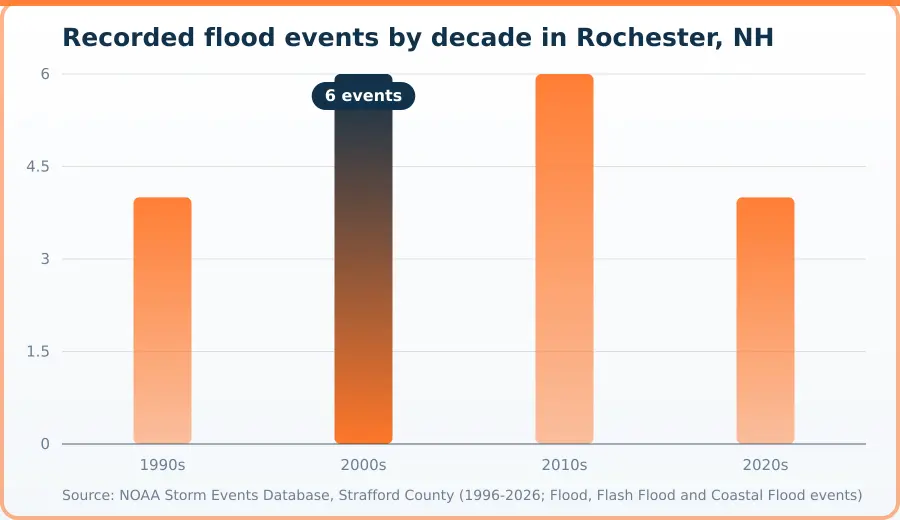
| Period | Recorded flood events by decade (events) |
|---|---|
| 1990s | 4 |
| 2000s | 6 |
| 2010s | 6 |
| 2020s | 4 |
Source: NOAA Storm Events Database, Strafford County (1996-2026; Flood, Flash Flood and Coastal Flood events). Retrieved October 5, 2026.
Commercial Mold Remediation Through Rochester's Seasons
Spring: Thaw and Moisture Surge
Spring snowmelt and increased rainfall create sustained dampness in commercial spaces. Basements and crawl spaces—common in Rochester's older and newer buildings alike—accumulate trapped moisture that activates dormant mold colonies. Kimball connects property owners to local remediation providers who assess and contain growth before it spreads through occupied areas.
Summer: Humidity's Silent Growth
High relative humidity throughout summer accelerates mold colonization in commercial structures, particularly in poorly ventilated zones like storage areas and mechanical rooms. Active growth becomes visible on surfaces and in HVAC systems. Kimball's referral network links you with local providers who perform thorough removal and help identify ventilation weaknesses to slow future activity.
Fall: Damp Raw Conditions Return
Fall's raw, consistently damp conditions mirror spring's moisture challenges, reactivating mold in commercial properties that weren't fully dried or remediated. Property owners often discover issues when reopening facilities after summer. Kimball connects you to local inspection and remediation providers who can assess damage and establish containment before occupancy resumes.
Winter: Indoor Heating and Condensation
Winter heating cycles create temperature swings and condensation buildup in commercial spaces, especially around windows, doors, and poorly insulated pipes. Mold thrives in these moisture-prone zones while activity may seem dormant elsewhere. Kimball's provider network helps identify and remediate winter-accelerated growth to prevent spring expansion when conditions warm again.
Related Services
Commercial Mold Remediation FAQs — Rochester, NH
Commercial mold remediation begins with inspection to identify affected areas and moisture sources. The provider then contains the contamination, removes damaged materials, cleans and treats surfaces, and manages disposal safely. Finally, they address the underlying moisture problem—ventilation, drainage, or humidity control—to prevent recurrence. Your provider will explain each step and answer questions throughout.
Kimball Mold Remediation connects Rochester property owners with independent local providers ready to respond to your mold concerns. Contact us to describe your situation, and we'll match you with a nearby provider who can assess your property and discuss next steps promptly.
Cost depends on the size and location of affected areas, whether structural materials must be replaced, the underlying moisture source, and the remediation scope. Providers typically assess your property in person to provide an accurate estimate. Independent providers set their own pricing based on the specific work required.
Before remediation begins, clear the affected areas of personal items and equipment if safe to do so. Your provider will brief you on containment procedures, temporary access needs, and any occupant or staff restrictions during work. Ask your provider about utility access, parking, and how long the job typically takes so you can plan accordingly.
Controlling moisture is key to preventing mold regrowth. This means ensuring proper ventilation in basements and crawl spaces, maintaining gutters and grading to direct water away from the building, and managing indoor humidity. Your remediation provider will recommend specific moisture-control measures for your property's condition and layout.
Rochester's consistently humid summers and damp fall and spring conditions create ongoing moisture challenges that can support mold growth in commercial buildings year-round. Properties with basements or crawl spaces face particular risk if ventilation or drainage is inadequate. Regular inspections and prompt moisture management help catch problems early before extensive remediation becomes necessary.
Homeowner Safety Toolkit
Verify Your Rochester, NH Mold Remediation Company
Before you hire anyone, use these independent national resources to confirm credentials, standards, and track record.
IICRC
Publishes the S520 standard for professional mold remediation. Confirm a company's technicians hold real, current IICRC certification before you hire them.
Verify CertificationBBB
Look up any mold remediation company's complaint history, customer reviews, and accreditation status — a free, independent check before you hire.
Check StandingCDC
Covers the health effects of mold exposure and safe cleanup practices, separate from the remediation work itself — useful if anyone in the home has respiratory symptoms.
Mold Health GuideDealing with Commercial Mold Remediation in Rochester, NH? Call (603) 207-1275 for 24/7 help.
Call Now — (603) 207-1275Areas We Serve in Rochester, New Hampshire
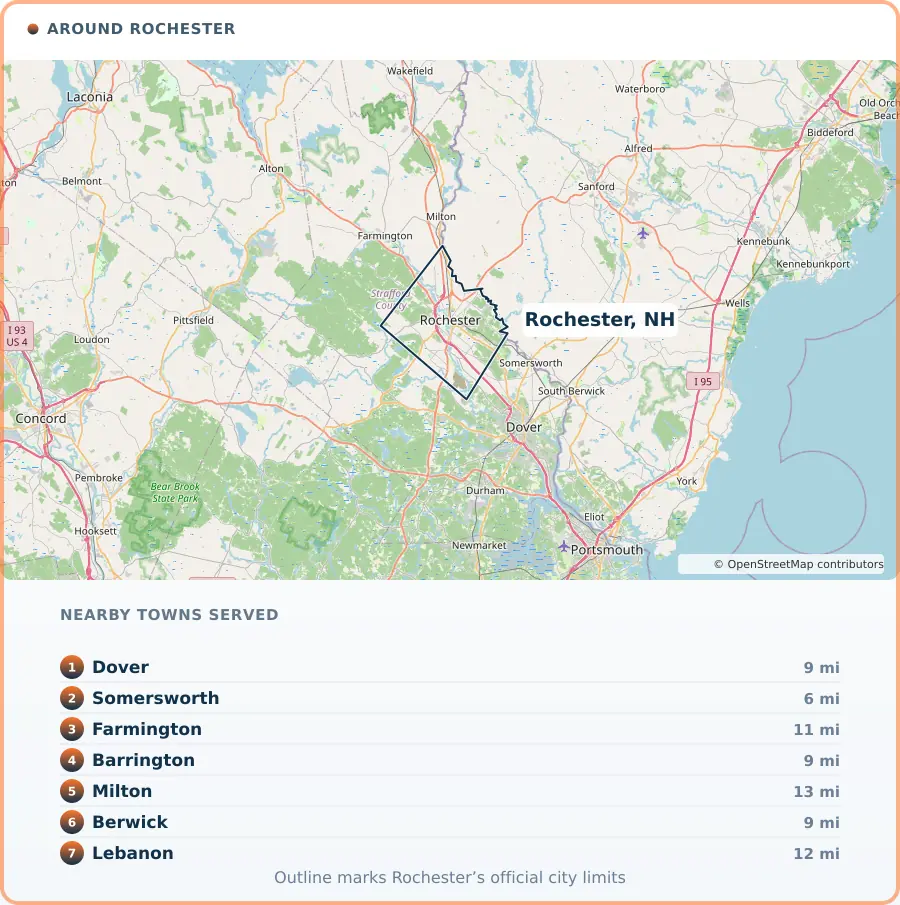
Serving Rochester, NH and 7 communities around it. Local knowledge of how each area is built shapes how the work is handled there.
Rochester, NH Information
Rochester, NH carries its mill-town roots forward into something broader today — a working city of roughly 33,000 anchored by Frisbie Memorial Hospital and aerospace-materials manufacturer Albany International. Healthcare, manufacturing, and education sit alongside a steady retail and service base, with businesses lining corridors like Route 11 and Milton Road to serve both the city and the wider Strafford County area.
Its spot within the Seacoast New Hampshire labor market keeps Rochester tied to Dover and Portsmouth, with commuters moving easily between them. Neighborhoods from Gonic to Downtown Rochester each carry their own pace and character, giving the city a lived-in, layered feel rather than a single downtown identity — a practical, unpretentious place shaped by generations of work and community.
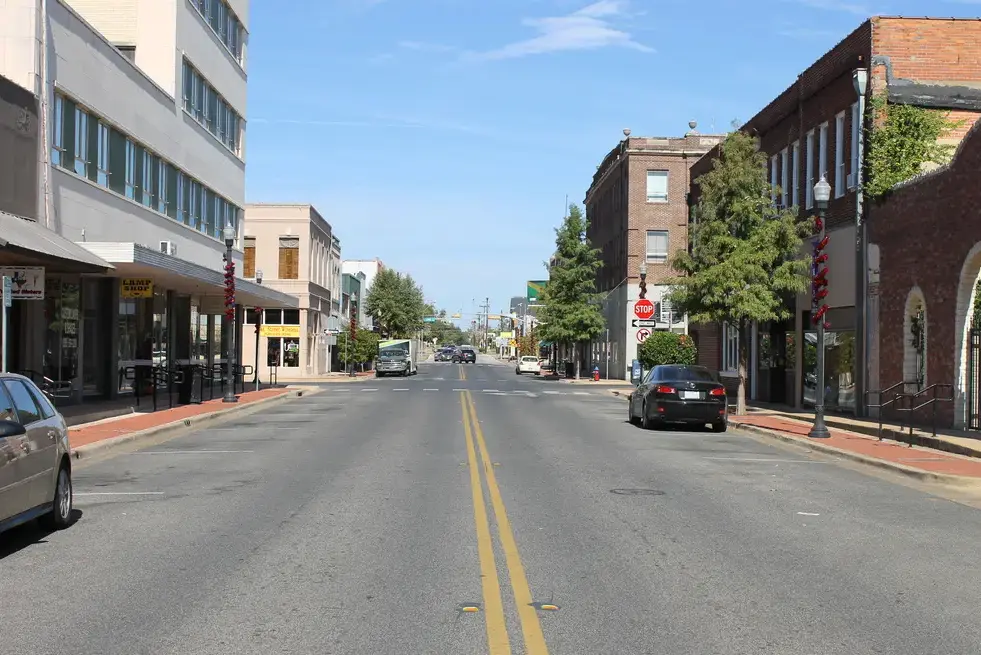
Photo: Billy Hathorn, CC BY-SA 3.0