

Real Estate Mold Inspection in Rochester, NH
Rochester's humid New England Seacoast climate creates persistent moisture conditions year-round, with high humidity through summer and damp conditions in fall and spring that encourage mold growth in homes throughout the area. Older properties commonly feature basements prone to trapped moisture, while many newer homes rely on crawl spaces that require proper ventilation to prevent moisture accumulation. Real Estate Mold Inspection identifies mold before it affects indoor air quality or property value, and Kimball Mold Remediation connects Rochester property owners with local independent providers who can assess and address mold concerns thoroughly.
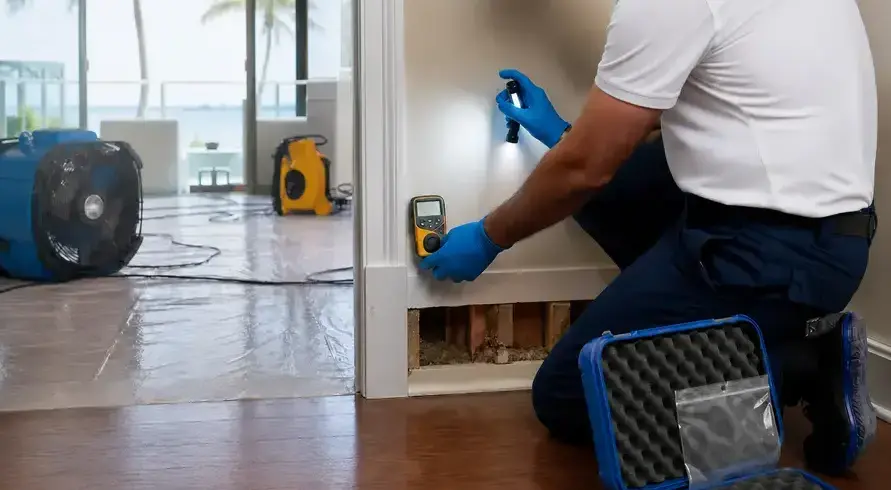
What does a mold inspection mean for a Rochester, NH home sale?
Before paying for sampling it is worth knowing what a result can and cannot establish. EPA publishes an answer, quoted here as written.
Standards or Threshold Limit Values (TLVs) for airborne concentrations of mold, or mold spores, have not been set.EPA
Currently, there are no EPA regulations or standards for airborne mold contaminants.EPA
That matters more in a transaction than anywhere else, because it means no result can make a house pass or fail. What an inspection can establish is where moisture is getting in and whether a previous clean-up actually worked — which is what a buyer, a seller and a lender are each really asking.
Surface sampling may be useful to determine if an area has been adequately cleaned or remediated.EPA
Housing age is part of the picture in Rochester: 32.4% of homes here predate 1960, and older construction hides more of its plumbing and framing behind finished surfaces. Strafford County also has flood events on record in 12 separate years.Source: US Census Bureau, American Community Survey 2023 5-year estimates, table B25034 — Rochester city (14,613 housing units) · NOAA Storm Events Database, Strafford County (1996-2026; Flood, Flash Flood and Coastal Flood events)
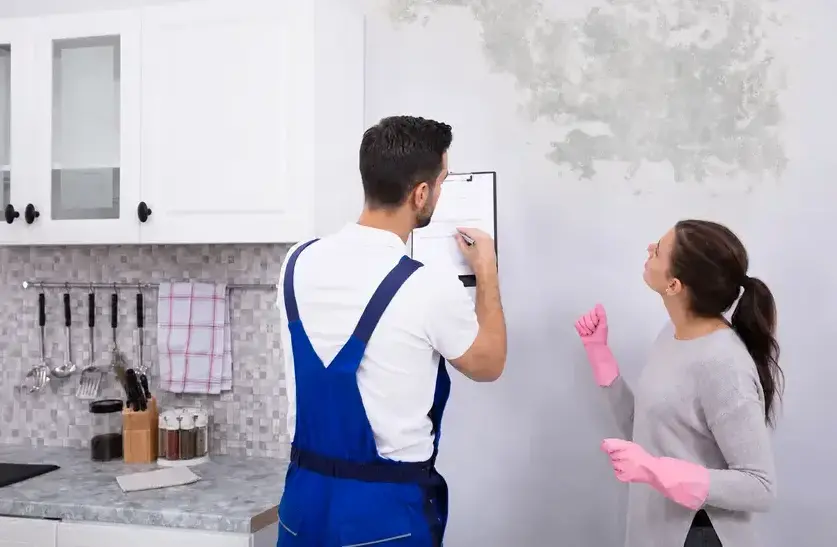
Real Estate Mold Inspection Matters in Rochester, NH
Rochester's humid New England climate creates ideal conditions for mold growth year-round. Through summer months and into fall and spring, the region experiences persistently damp air and moisture-laden conditions that encourage mold to develop indoors—especially in older homes with basements or newer properties with crawl spaces where ventilation gaps allow trapped moisture to accumulate. For anyone buying, selling, or managing property in Rochester, a thorough real estate mold inspection is not just a precaution; it's essential due diligence. Mold hidden behind walls, in foundation spaces, or within HVAC systems can affect indoor air quality and property value, yet remains invisible without a systematic, professional inspection.
Kimball Mold Remediation connects Rochester property owners with local independent mold inspection providers who understand the specific moisture challenges of the area. A real estate mold inspection through our network begins with a comprehensive visual assessment and targeted sampling to identify active or dormant mold before it becomes a costly problem. The providers we refer take a methodical approach—documenting findings clearly, explaining results in plain terms, and recommending next steps whether that involves remediation or ongoing monitoring. Whether you're evaluating a potential purchase, preparing a home for sale, or addressing moisture concerns in an existing property, connecting with a local inspector through Kimball puts you on a path toward confident, informed decisions about your Rochester real estate.
Why Rochester Property Owners Choose Kimball Mold Inspection
Thorough Real Estate Mold Inspection
Real estate mold inspection through Kimball connects you with local providers who conduct detailed assessments of visible and hidden mold growth. Inspections identify moisture sources and affected areas before remediation begins, ensuring comprehensive treatment.
Fast Local Real Estate Mold Inspection
Finding a qualified real estate mold inspection provider shouldn't take weeks. Kimball's network of local Rochester inspectors responds quickly to schedule assessments, get results into your hands, and move remediation forward without unnecessary delays.
Clear Real Estate Mold Inspection Results
Real estate mold inspection reports should be easy to understand. Kimball connects you with local providers who explain findings clearly, outline affected areas, and communicate next steps so you know exactly what you're dealing with.
Moisture Control in Rochester Homes
Rochester's year-round humidity and damp seasonal conditions create persistent moisture challenges. Real estate mold inspection identifies where trapped moisture collects in basements and crawl spaces, helping remediation providers eliminate conditions that allow mold to take hold.
How the Real Estate Mold Inspection Process Works
Schedule Your Real Estate Mold Inspection
Contact Kimball Mold Remediation to request a real estate mold inspection appointment in Rochester, NH. We'll connect you with a local independent provider who will arrange a time to visit your property and conduct a thorough visual assessment.
Receive Your Mold Inspection Assessment
The independent inspector performs a detailed real estate mold inspection, examining areas prone to moisture accumulation—particularly basements and crawl spaces common in Rochester homes, where humidity from seasonal damp conditions and inadequate ventilation often trap moisture. You'll receive findings and recommendations for any identified concerns.
Connect With Remediation Services
Based on your real estate mold inspection results, Kimball connects you with local independent remediation providers in Rochester, NH who can discuss containment, removal, and restoration options. Follow-up inspections may be recommended to confirm that conditions have been properly addressed.
Navigating a Real Estate Mold Inspection in Rochester? Get fast, professional support.
Call Now — (603) 207-1275Real Estate Mold Inspection Across Rochester
Rochester's position in the New England Seacoast climate zone creates persistent moisture challenges year-round that directly shape what a thorough Real Estate Mold Inspection must address. Summer humidity and the damp conditions that settle in during fall and spring months mean that moisture can accumulate inside homes and buildings even when outdoor rain isn't falling. Properties throughout Rochester—from established neighborhoods like Pickering and Downtown Rochester to outlying areas—face this consistent environmental pressure, making moisture management and mold prevention central concerns for any property evaluation.
Foundation and crawl-space design compounds these moisture risks during a Real Estate Mold Inspection. Older homes in Rochester more often feature basements, while many newer properties on the town's periphery rely on crawl spaces, and both can trap moisture if ventilation and drainage aren't working effectively. An inspection tailored to Rochester's humidity patterns must account for these structural differences and the way seasonal dampness interacts with them. Identifying early signs of mold growth, assessing moisture pathways, and evaluating ventilation adequacy are essential steps when inspecting any property in this region—whether you're buying, selling, or managing a building.
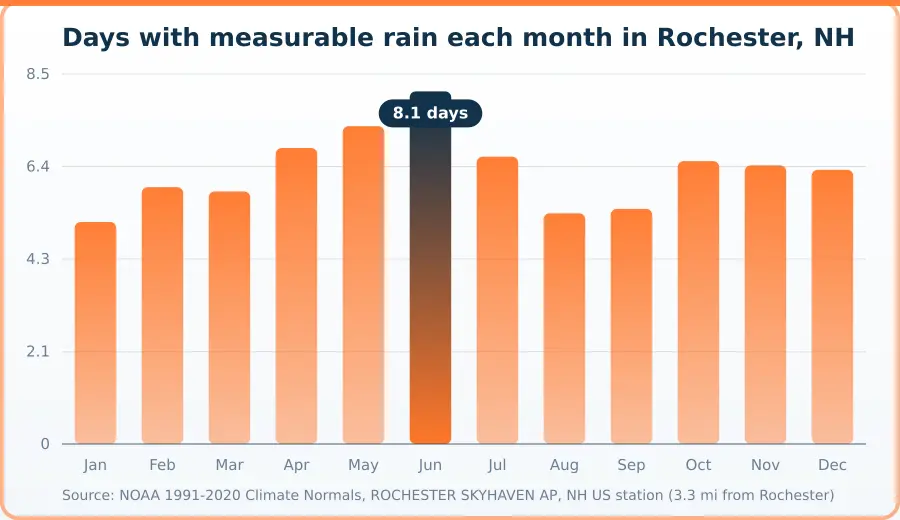
| Period | Days with measurable rain by month (days) |
|---|---|
| Jan | 5.1 |
| Feb | 5.9 |
| Mar | 5.8 |
| Apr | 6.8 |
| May | 7.3 |
| Jun | 8.1 |
| Jul | 6.6 |
| Aug | 5.3 |
| Sep | 5.4 |
| Oct | 6.5 |
| Nov | 6.4 |
| Dec | 6.3 |
Source: NOAA 1991-2020 Climate Normals, ROCHESTER SKYHAVEN AP, NH US station (3.3 mi from Rochester). Retrieved October 5, 2026.
Real Estate Mold Inspection Through Rochester's Seasons
Spring: Thawing & Moisture Reset
As snow melts and spring rains arrive, property foundations in Rochester experience significant moisture influx. Real estate mold inspection becomes essential during this transition to identify mold that developed over winter in basements and crawl spaces, where trapped moisture accumulates if ventilation is inadequate. Kimball Mold Remediation connects property owners with local providers who can assess and address spring moisture damage before it compounds.
Summer: Hidden Growth in High Humidity
Summer's warm, humid conditions create ideal environments for mold development in concealed spaces throughout Rochester properties. Real estate mold inspection during summer uncovers active growth in attics, wall cavities, and mechanical areas where condensation and poor airflow allow colonies to establish. Local providers accessible through Kimball help identify these hidden infestations before they affect indoor air quality or property value.
Fall: Moisture & Seasonal Wear
Autumn's damp, raw conditions stress building envelopes as temperatures fluctuate and rainfall increases. Real estate mold inspection in fall is critical to detect new moisture intrusion through aging roofs, windows, and foundations that deteriorate from seasonal expansion and contraction. Kimball Mold Remediation links property owners with inspectors who evaluate damage patterns and recommend remediation before winter compounds the problem.
Winter: Cold & Condensation Risk
Winter's temperature extremes and indoor heating create condensation cycles that fuel mold growth in poorly insulated or ventilated areas. Real estate mold inspection during winter reveals active spore production in spaces where cold exterior walls meet warm interior air, particularly in basements and crawl spaces. Kimball connects property owners to local providers who assess winter moisture patterns and plan remediation timing for spring work.
Related Services
Real Estate Mold Inspection FAQs — Rochester, NH
A real estate mold inspection examines your property systematically for visible mold growth, water damage, and moisture conditions that support mold. The inspector checks common problem areas—basements, crawl spaces, attics, bathrooms, and around windows—and may use moisture meters or thermal imaging to detect hidden moisture. You'll receive a detailed report documenting findings and any areas of concern that may need remediation.
Kimball Mold Remediation works with independent local providers in the Rochester area to connect you with inspectors as rapidly as possible. Response times depend on local provider availability, but our referral service prioritizes fast matching to get your inspection scheduled without unnecessary delays. Contact us directly for current availability in your area.
Inspection pricing varies based on property size, complexity, whether specialized detection tools are used, and the scope of areas examined. An older home in Pickering or East Rochester with a basement may involve different assessment costs than a newer property. The independent provider you're connected with will explain their pricing structure based on your specific property and inspection needs.
Make sure the inspector can access all relevant areas—basements, crawl spaces, attics, and moisture-prone rooms like bathrooms and kitchens. Clear clutter where possible so the inspector can examine foundation, walls, and ventilation. If you've noticed water stains, odors, or visible mold, note their locations. Provide access to any areas where you suspect moisture problems so the inspection is thorough and complete.
Long-term mold prevention centers on moisture control. Ensure basements and crawl spaces are properly ventilated to reduce trapped humidity. Fix roof leaks and gutters promptly, maintain bathroom and kitchen ventilation, and monitor indoor humidity, especially through the damp seasons common in New England. Your inspection report should identify moisture sources—addressing those underlying causes is key to keeping mold from recurring.
New England's transitional seasons—spring and fall—bring damp, raw conditions that can activate or worsen mold growth in homes. However, a real estate mold inspection is valuable year-round, since moisture problems often remain hidden until inspected. If you're buying or selling a property in Rochester, scheduling an inspection before seasonal humidity spikes gives you the clearest picture of any existing mold risk.
Homeowner Safety Toolkit
Verify Your Rochester, NH Mold Remediation Company
Before you hire anyone, use these independent national resources to confirm credentials, standards, and track record.
IICRC
Publishes the S520 standard for professional mold remediation. Confirm a company's technicians hold real, current IICRC certification before you hire them.
Verify CertificationBBB
Look up any mold remediation company's complaint history, customer reviews, and accreditation status — a free, independent check before you hire.
Check StandingCDC
Covers the health effects of mold exposure and safe cleanup practices, separate from the remediation work itself — useful if anyone in the home has respiratory symptoms.
Mold Health GuideArranging a Real Estate Mold Inspection in Rochester, NH for a home sale or purchase? Call (603) 207-1275 for 24/7 help connecting with a local provider.
Call Now — (603) 207-1275Areas We Serve in Rochester, New Hampshire
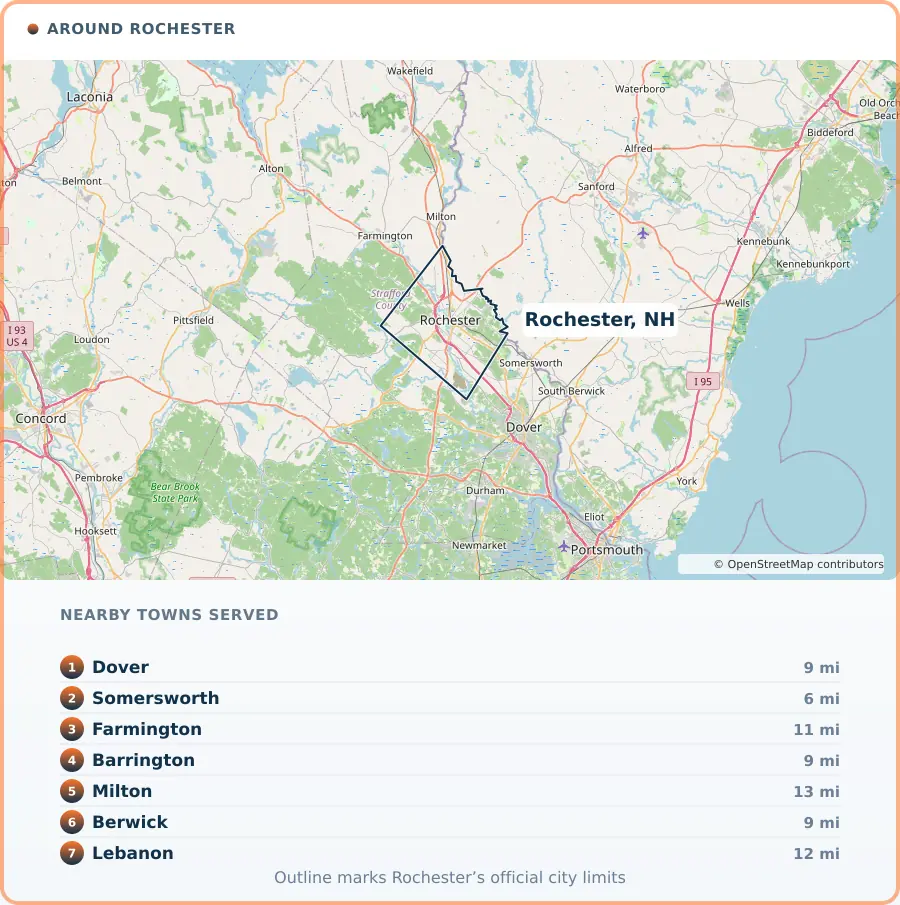
Serving Rochester, NH and 7 communities around it. Local knowledge of how each area is built shapes how the work is handled there.
Rochester, NH Information
Rochester, NH carries its mill-town roots forward into something broader today — a working city of roughly 33,000 anchored by Frisbie Memorial Hospital and aerospace-materials manufacturer Albany International. Healthcare, manufacturing, and education sit alongside a steady retail and service base, with businesses lining corridors like Route 11 and Milton Road to serve both the city and the wider Strafford County area.
Its spot within the Seacoast New Hampshire labor market keeps Rochester tied to Dover and Portsmouth, with commuters moving easily between them. Neighborhoods from Gonic to Downtown Rochester each carry their own pace and character, giving the city a lived-in, layered feel rather than a single downtown identity — a practical, unpretentious place shaped by generations of work and community.
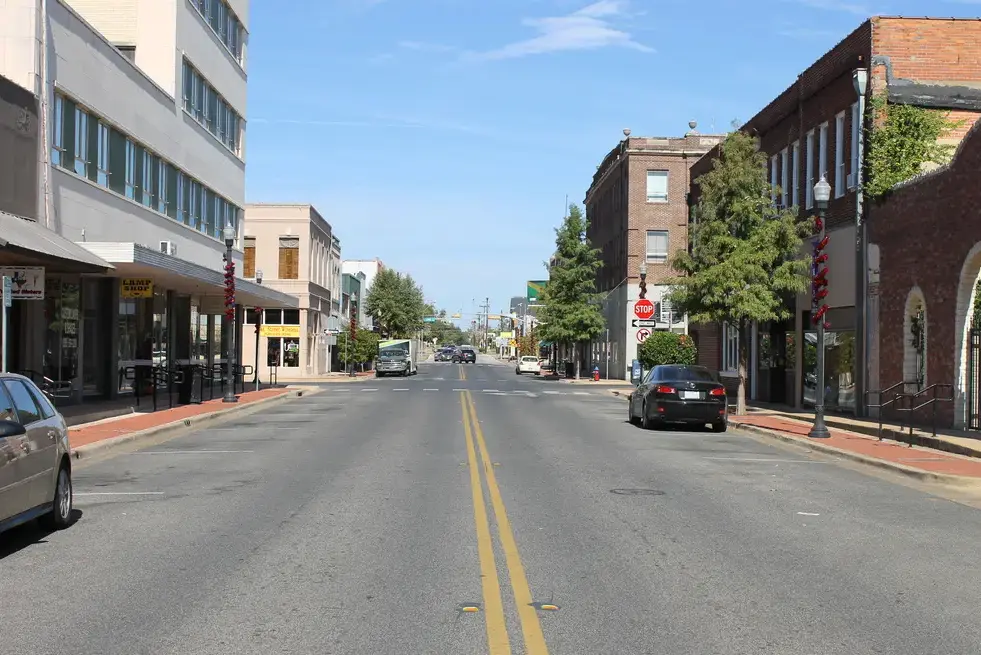
Photo: Billy Hathorn, CC BY-SA 3.0