

Mold Removal Cost in Rochester, NH
Rochester's seacoast climate brings sustained humidity through summer and damp conditions across fall and spring, creating conditions where basements and crawl spaces—common in both older and newer homes throughout the area—can trap moisture and support mold growth if ventilation is inadequate. Mold removal cost in Rochester, NH depends on the extent of the affected area, the materials involved (drywall, insulation, carpet, HVAC components), whether containment and air scrubbing equipment is necessary during work, and whether post-remediation clearance testing or structural rebuild is needed once the mold itself is removed. Starting an inspection promptly typically keeps the scope of remediation smaller, which directly affects what the independent local provider will charge for the complete job.
Understanding Mold Removal Cost in Rochester, NH
Property owners throughout Rochester need to understand what drives mold removal cost before reaching out to a provider. The region's climate—with sustained humidity during summer months and persistently damp conditions through fall and spring—creates year-round conditions where moisture can accumulate indoors. Many homes in Rochester feature basements or crawl spaces, both vulnerable to trapped moisture and mold growth when ventilation or drainage is insufficient. When mold is discovered, homeowners naturally want to know what the remediation will cost before committing to any work. That cost depends entirely on the scope of the problem, which only a thorough on-site inspection can reveal.
Kimball Mold Remediation connects Rochester property owners with independent local mold inspection and remediation providers who begin with a careful assessment of the affected area. During this inspection, the provider identifies what needs to be removed—whether affected drywall, insulation, carpet, HVAC components, or structural elements—and what containment or specialized equipment the job requires. Once the provider understands the full scope, they explain what the mold removal cost will be based on the actual conditions found. Understanding these cost drivers before you call helps you ask the right questions and compare what each provider outlines for your situation.
Understanding Mold Removal Cost in Rochester
How Affected Area Size Drives Cost
Mold remediation scope depends directly on square footage involved. A small patch on one wall costs far less to contain, remove, and restore than mold spanning multiple rooms or an entire basement. Larger affected areas require more labor, materials, and equipment time.
Materials Involved in the Work
What needs removal matters greatly. Mold on painted drywall differs from mold in carpet, insulation, or HVAC ductwork. Some materials can be cleaned; others must be removed entirely. More materials involved means more removal and disposal work, raising the overall scope.
Containment, Air Scrubbing, and Testing
Larger jobs often require containment barriers and air scrubbing equipment to prevent spore spread during work. Post-remediation clearance testing confirms the area meets indoor air quality standards. These specialized measures add labor and equipment costs but protect your home and occupants during the process.
Rochester's Moisture Patterns and Home Age
New England's high humidity through summer and damp spring and fall conditions create ongoing moisture challenges. Older Rochester homes with basements and newer properties with crawl spaces both trap moisture easily if ventilation is poor. Moisture-prone areas require more extensive remediation and, sometimes, structural repairs once mold is removed—expanding the total work required.
How Your Mold Removal Cost Is Estimated in Rochester, NH
Request an On-Site Estimate
Contact a local mold removal provider through Kimball to schedule an inspection. The provider will assess the affected area, identify which materials (drywall, insulation, carpet, HVAC components) are involved, and determine the scope of work needed to establish the mold removal cost.
Understand What Drives Mold Removal Cost
The provider will explain how square footage affected, moisture source, material types, and whether containment or air scrubbing equipment is necessary will shape the total mold removal cost. They will also discuss whether post-remediation clearance testing or structural rebuild after removal is recommended, as these directly affect the final scope and cost.
Review Your Mold Removal Estimate
Before work begins, you'll receive a detailed estimate breaking down the mold removal cost based on the inspection findings. Acting quickly to address the problem usually keeps the scope smaller, which can lower the overall mold removal cost compared to waiting for moisture damage to spread.
Wondering about Mold Removal Cost in Rochester? Get an on-site estimate from a local provider.
Call Now — (603) 207-1275Mold Removal Cost Factors in Rochester
Mold removal cost in Rochester is shaped by the specific conditions of your property and how far the mold has spread. The humid New England Seacoast climate—with consistently high relative humidity through summer and damp conditions in fall and spring—creates persistent moisture challenges year-round, not just after storms. Older homes throughout the area often have basements where trapped moisture accumulates, while many newer properties sit on crawl spaces that are equally vulnerable to moisture buildup if ventilation and drainage are inadequate. The age and construction type of your home directly influence what the independent local provider will need to remove: older homes may have hidden mold behind plaster or in cavity spaces, requiring more extensive exploration and removal work than newer construction.
The cost of mold removal depends on how much area is affected, which building materials are involved (drywall, carpet, insulation, HVAC ducts, or structural framing), and what equipment and containment measures are required. A small, surface-level problem in one room costs far less to address than mold that has penetrated insulation, HVAC systems, or multiple wall cavities. If the affected area is large or mold has contaminated air-handling equipment, the provider may recommend containment barriers and air scrubbing during removal to protect the rest of your home. Post-remediation clearance testing, structural repairs, and material replacement after mold is gone all add to the scope of work. Acting quickly when you first notice mold, moisture, or musty odors usually keeps the affected area smaller and the removal work more focused—which keeps the overall cost down. The independent local provider you connect with will inspect your property and explain what drives the cost for your specific situation.
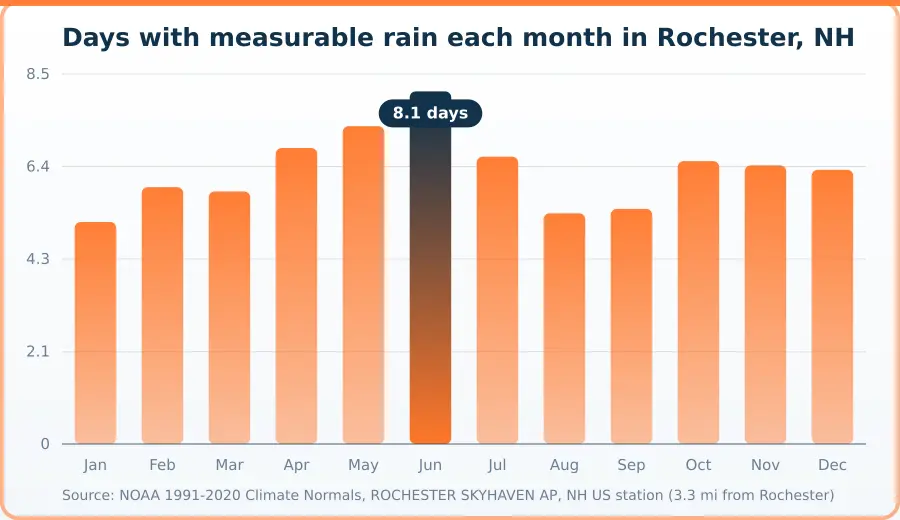
| Period | Days with measurable rain by month (days) |
|---|---|
| Jan | 5.1 |
| Feb | 5.9 |
| Mar | 5.8 |
| Apr | 6.8 |
| May | 7.3 |
| Jun | 8.1 |
| Jul | 6.6 |
| Aug | 5.3 |
| Sep | 5.4 |
| Oct | 6.5 |
| Nov | 6.4 |
| Dec | 6.3 |
Source: NOAA 1991-2020 Climate Normals, ROCHESTER SKYHAVEN AP, NH US station (3.3 mi from Rochester). Retrieved October 5, 2026.
How Rochester's Seasons Shape Mold Removal Cost
Spring: Thaw and Moisture
Spring snowmelt and increased rainfall raise indoor moisture levels across Rochester's older basements and crawl spaces. Mold that developed over winter expands as conditions warm, often spreading across wider areas of framing, insulation, and foundation materials, which increases the scope and cost of removal.
Summer: High Humidity Peaks
Summer's consistently high relative humidity in the New England Seacoast climate zone means mold can advance quickly through damp basements and crawl spaces if ventilation is inadequate. Larger affected areas typically require more containment equipment, air scrubbing, and materials removal, raising the overall cost of remediation.
Fall: Raw Damp Conditions
Fall brings raw, damp conditions that trap moisture in poorly ventilated foundation spaces and upper-story areas. Extended dampness allows mold colonies to deepen into structural materials and HVAC components, requiring more extensive removal and post-remediation testing, which affects final cost.
Winter: Heating and Condensation
Winter heating can create condensation on cold surfaces, particularly in uninsulated rim joists and crawl spaces. Acting promptly before cold-season moisture spreads mold deeper into structural wood and insulation helps keep the removal scope—and cost—from expanding significantly.
Related Services
Mold Removal Cost FAQs — Rochester, NH
The extent of mold removal cost depends primarily on the size of the affected area, the materials colonized (drywall, wood, insulation, or structural elements), and whether containment and air filtration are needed during work. Homes with basements or crawl spaces prone to moisture accumulation may face larger remediation scopes. An on-site inspection by a local provider is the only way to determine actual cost for your property.
Mold spreads over time, expanding the affected surface area and potentially penetrating deeper into building materials. Early detection and prompt remediation limit how much material requires removal or replacement, which directly reduces the overall scope and associated cost of the work.
A local provider begins with an on-site inspection to assess the mold's location, extent, and the materials affected. Based on findings, they prepare a detailed estimate before any work begins. This inspection-first approach ensures the cost reflects your specific situation rather than a generic quote.
Insurance coverage for mold removal varies widely by policy and cause. Some policies may cover mold resulting from a sudden, covered event like a burst pipe, while others exclude mold damage entirely. Review your policy or contact your insurer directly to understand what, if anything, they may cover regarding removal cost.
Kimball Mold Remediation works to connect Rochester property owners with local independent providers promptly so you can schedule an on-site inspection and receive a cost estimate without delay. The faster you move forward with an assessment, the sooner you'll have clear pricing for your situation.
New England's seacoast climate brings consistent humidity through summer and damp conditions in fall and spring, creating year-round moisture challenges in basements and crawl spaces. If moisture management issues have persisted across seasons, mold may be more extensive, potentially affecting the overall removal cost. Addressing moisture promptly helps prevent larger growth and higher remediation expenses.
Homeowner Safety Toolkit
Verify Your Rochester, NH Mold Remediation Company
Before you hire anyone, use these independent national resources to confirm credentials, standards, and track record.
IICRC
Publishes the S520 standard for professional mold remediation. Confirm a company's technicians hold real, current IICRC certification before you hire them.
Verify CertificationBBB
Look up any mold remediation company's complaint history, customer reviews, and accreditation status — a free, independent check before you hire.
Check StandingCDC
Covers the health effects of mold exposure and safe cleanup practices, separate from the remediation work itself — useful if anyone in the home has respiratory symptoms.
Mold Health GuideQuestions about Mold Removal Cost in Rochester, NH? Call (603) 207-1275 to arrange a local on-site estimate.
Call Now — (603) 207-1275Areas We Serve in Rochester, New Hampshire
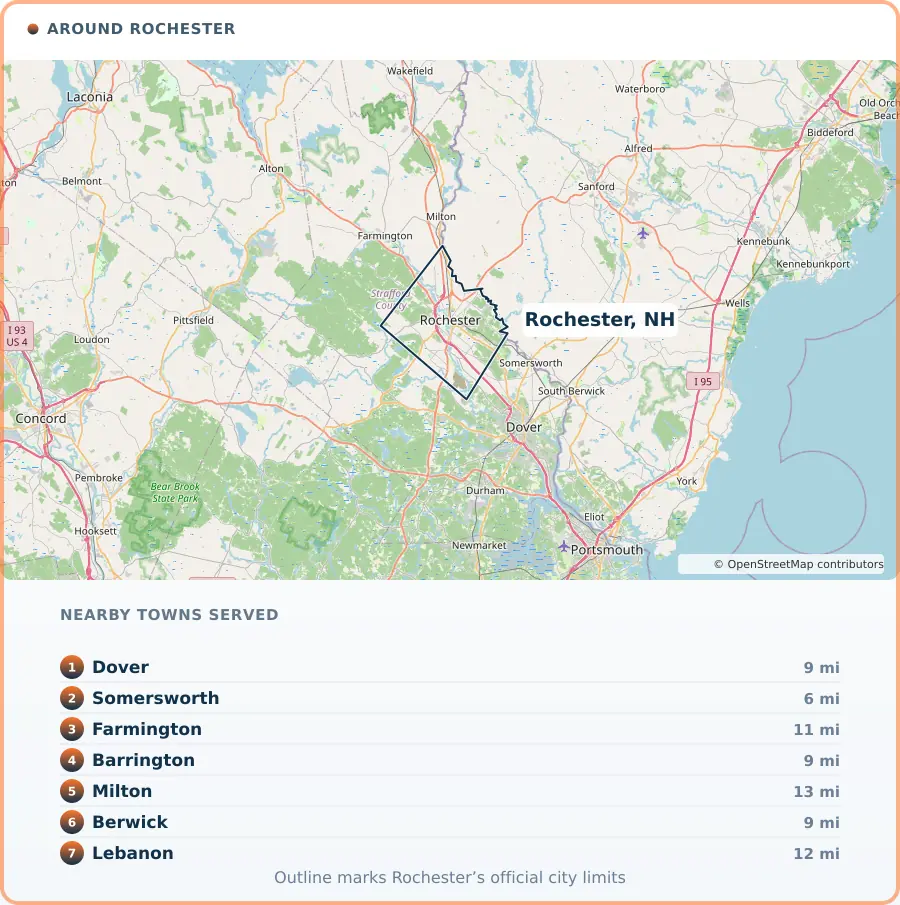
Serving Rochester, NH and 7 communities around it. Local knowledge of how each area is built shapes how the work is handled there.
Rochester, NH Information
Rochester, NH carries its mill-town roots forward into something broader today — a working city of roughly 33,000 anchored by Frisbie Memorial Hospital and aerospace-materials manufacturer Albany International. Healthcare, manufacturing, and education sit alongside a steady retail and service base, with businesses lining corridors like Route 11 and Milton Road to serve both the city and the wider Strafford County area.
Its spot within the Seacoast New Hampshire labor market keeps Rochester tied to Dover and Portsmouth, with commuters moving easily between them. Neighborhoods from Gonic to Downtown Rochester each carry their own pace and character, giving the city a lived-in, layered feel rather than a single downtown identity — a practical, unpretentious place shaped by generations of work and community.
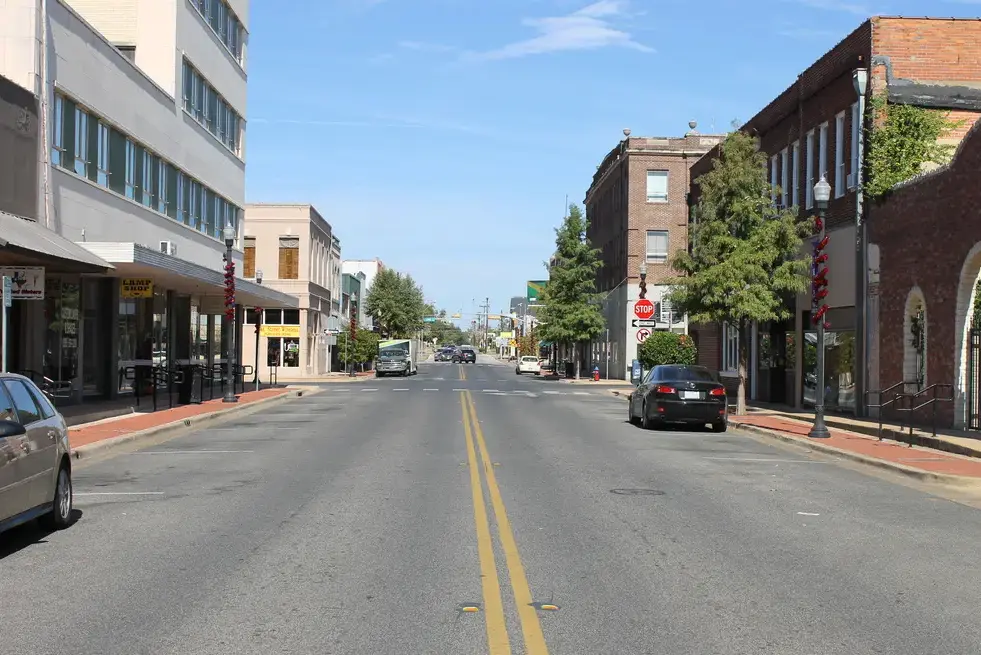
Photo: Billy Hathorn, CC BY-SA 3.0